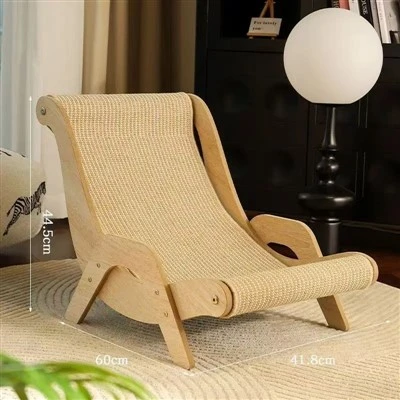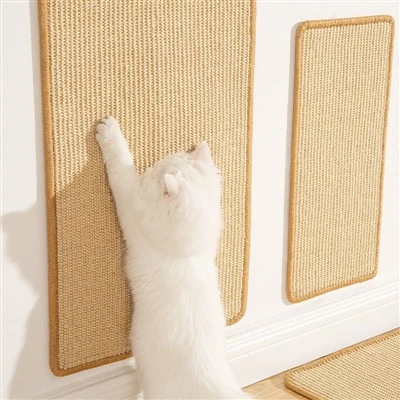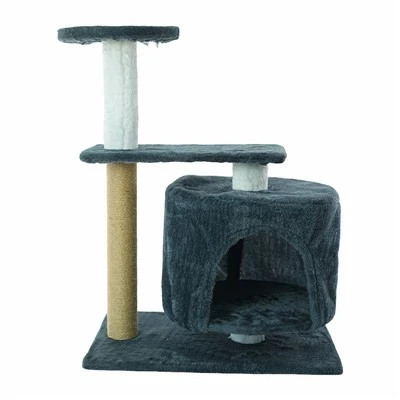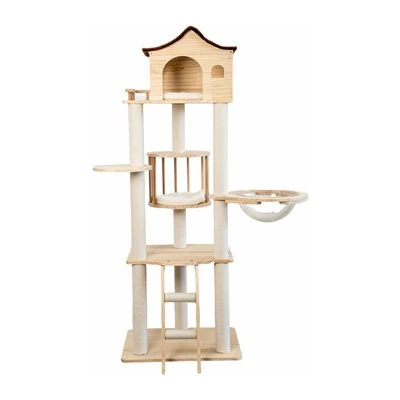


Hey there, fellow cat lovers! As a supplier of Pet Cat House, I've seen all sorts of cat houses, from the simplest ones to the most elaborate Large Cat Shelf setups. And one question I get a lot is how to store these cat houses when they're not in use. Well, I'm here to share some tips and tricks to help you out.
Why Proper Storage Matters
First off, you might be wondering why it's even important to store your cat house correctly. Well, think about it. A cat house is an investment, both in terms of money and the comfort it provides for your furry friend. If you don't store it properly, it can get damaged, which means you'll either have to repair it or buy a new one. Plus, a damaged cat house might not be as safe or comfortable for your cat.
Preparing the Cat House for Storage
Before you start packing up your cat house, you need to give it a good cleaning. Cats can be messy, and there might be fur, dirt, or even urine on the cat house. Start by removing any loose debris, like fur or leaves, with a vacuum cleaner or a brush. Then, use a mild detergent and warm water to clean the surfaces. Make sure to rinse it thoroughly and let it dry completely. You don't want any moisture trapped inside, as that can lead to mold and mildew.
If your cat house has any removable parts, like cushions or toys, take them out and wash them separately. You can usually throw cushions in the washing machine on a gentle cycle, but make sure to check the care instructions first. For toys, you can soak them in a mixture of water and pet-safe disinfectant, then rinse and dry them.
Choosing the Right Storage Space
Once your cat house is clean and dry, it's time to find a good place to store it. The ideal storage space should be cool, dry, and away from direct sunlight. Sunlight can fade the colors of your cat house and damage the materials over time. A basement, attic, or a storage shed can be good options, as long as they're not prone to flooding or extreme temperature changes.
If you're storing the cat house in a basement or attic, make sure to elevate it off the ground. You can use pallets or blocks to keep it from sitting directly on the floor, which can prevent moisture from seeping in. Also, try to keep the cat house away from any chemicals or pesticides that might be stored in the area.


Disassembling the Cat House
If your cat house is large or complex, it might be a good idea to disassemble it before storing it. This will make it easier to move and take up less space. Start by reading the instructions that came with the cat house to see how it can be disassembled. Usually, there will be screws or bolts that you need to remove. Keep all the hardware in a small bag and label it so you don't lose it.
When disassembling the cat house, be careful not to damage any of the parts. If you're not sure how to disassemble something, take a picture or make a diagram to help you put it back together later.
Packing the Cat House
Once you've disassembled the cat house, it's time to pack it up. You can use cardboard boxes or plastic storage containers to keep the parts organized and protected. Make sure the boxes or containers are large enough to fit all the parts without squeezing them too tightly. You can use bubble wrap or packing peanuts to cushion the parts and prevent them from getting scratched or damaged.
If you're using cardboard boxes, reinforce the corners and edges with packing tape to make them stronger. You can also label the boxes with what's inside and which part of the cat house it belongs to. This will make it easier to find the parts when you're ready to set the cat house up again.
Storing the Cat House Long-Term
If you're planning to store the cat house for a long time, there are a few extra steps you can take to keep it in good condition. First, you can apply a protective coating to the wooden parts of the cat house to prevent them from drying out and cracking. You can use a wood conditioner or a sealant, but make sure to follow the instructions on the product.
You can also periodically check on the cat house to make sure there are no signs of damage or pests. If you notice any issues, like mold or insect infestation, take action right away to prevent further damage.
Reassembling the Cat House
When it's time to bring the cat house back into use, start by unpacking all the parts and laying them out in an organized way. Refer to the pictures or diagrams you took when you disassembled the cat house to help you put it back together. Make sure to use the correct hardware and tighten all the screws and bolts properly.
Once the cat house is assembled, give it another quick cleaning to remove any dust or debris that might have accumulated during storage. Then, add back any cushions, toys, or other accessories, and your cat will be ready to enjoy their cozy home again.
Conclusion
Storing a cat house when it's not in use doesn't have to be a hassle. By following these simple steps, you can keep your cat house in good condition and ready for your cat to use whenever they need it. And if you're in the market for a new Pet Cat House or Large Cat Shelf, we've got you covered. Our cat houses are made from high-quality materials and designed with your cat's comfort and safety in mind.
If you have any questions about our products or need more advice on cat house storage, don't hesitate to reach out. We're always happy to help you and your furry friend. Let's work together to provide the best for your beloved cats!
References
- Common sense and experience as a Pet Cat House supplier.
- General knowledge of pet product care and storage.