

Hey there, fellow cat lovers! As a wooden cat tree supplier, I've seen firsthand how important it is to create a cat tree that cats absolutely adore. In this blog, I'm gonna share some tips on how to make a wooden cat tree more appealing to our feline friends.
1. Choose the Right Wood
The first step in making an appealing cat tree is to select the right type of wood. Cats have sensitive noses, so you want to pick a wood that doesn't have a strong or unpleasant odor. Cedar and pine, for example, can give off scents that might be off - putting to cats. Instead, opt for hardwoods like oak or maple. These woods are not only durable but also have a more neutral smell.
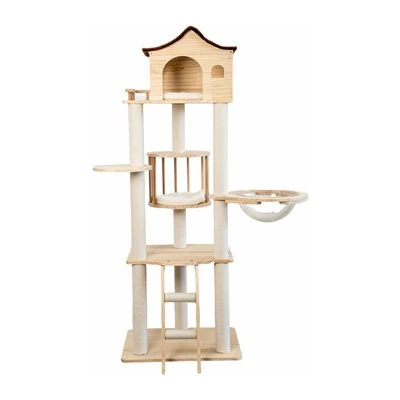
Our Cat Tree Natural Wood is made from high - quality, natural hardwood. The smooth finish is gentle on your cat's paws, and the natural look adds a touch of elegance to any home. Plus, the sturdiness of the wood ensures that the cat tree can withstand even the most energetic play sessions.
2. Incorporate Different Textures
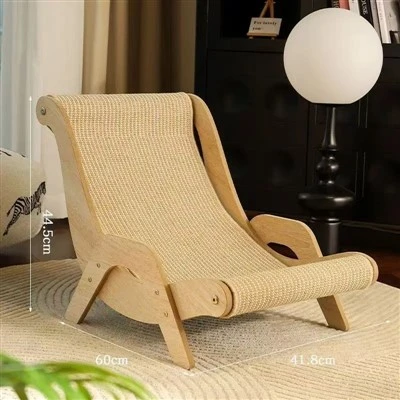
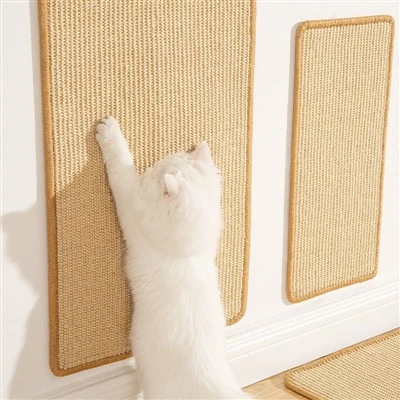
Cats love to explore different textures with their paws and claws. Adding a variety of textures to your wooden cat tree can make it much more interesting for them. You can attach sisal rope to some parts of the tree. Sisal is a tough, natural fiber that is perfect for cats to scratch on. It helps keep their claws healthy and sharp.
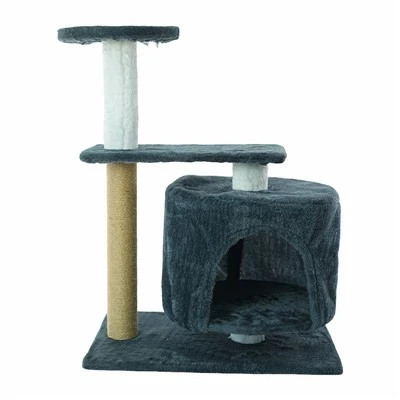
Another great option is to use real carpet. Our Real Carpet Wooden Cat Tree combines the warmth of carpet with the strength of wood. The soft carpet provides a cozy place for your cat to lounge, while the wooden frame gives it stability. You can also mix in some plush materials for a super - soft spot where your cat can curl up and take a nap.
3. Create Multiple Levels and Hideaways
Cats are natural climbers and love to be up high. They can survey their territory from an elevated position, which gives them a sense of security. So, when building a wooden cat tree, make sure to include multiple levels. You can have platforms at different heights, connected by ramps or ladders.
Hideaways are also a big hit with cats. They love to have a small, enclosed space where they can feel safe and hidden. You can add a small wooden box or a covered cubby to your cat tree. It can be a great place for your cat to retreat when they want some alone time.
4. Add Toys and Accessories
Toys are a surefire way to make a cat tree more appealing. You can attach dangling toys like feathers or bells to different parts of the tree. When your cat climbs and plays on the tree, they can bat at the toys, which provides both physical and mental stimulation.
Scratching posts are another essential accessory. Our Wood Scratching Post Cat Tree comes with built - in scratching posts. These posts are strategically placed so that your cat can easily reach them while they're on the tree. It satisfies their natural scratching instinct and helps protect your furniture from being scratched.
5. Consider the Cat's Personality
Just like humans, each cat has its own personality. Some cats are more active and love to climb and jump, while others are more laid - back and prefer to lounge. If you have an active cat, you might want to make a taller cat tree with lots of ramps and platforms for them to explore. For a more relaxed cat, a shorter tree with plenty of soft spots to lie on might be a better choice.


You can also take into account your cat's favorite colors. While cats don't see colors the same way we do, they can still be attracted to certain hues. Some cats seem to prefer bright colors, so you could paint parts of the cat tree in bold shades.
6. Keep it Clean
A clean cat tree is a more appealing cat tree. Cats are clean animals, and they won't want to spend time on a dirty or smelly tree. Regularly vacuum the carpeted parts of the tree to remove hair and debris. You can also wipe down the wooden surfaces with a mild, pet - safe cleaner.
If the scratching posts get too worn out, replace them. A fresh scratching post will encourage your cat to keep using the tree.
7. Place it in the Right Location
Where you place the cat tree can also affect its appeal. Cats like to be in areas where they can observe what's going on in the house. A good spot might be near a window, so they can watch the birds outside. It could also be in a living room or a family area where there's a lot of activity.
However, make sure the location is not too noisy or crowded. Cats need their peace and quiet sometimes, so avoid placing the tree right next to a TV or a busy hallway.
8. Use Catnip Wisely
Catnip is a herb that many cats find irresistible. You can sprinkle a little bit of catnip on the scratching posts, platforms, or toys on the cat tree. This can attract your cat to the tree and make them more likely to use it. But be careful not to overdo it. Too much catnip can make some cats hyperactive or even nauseous.
In Conclusion
Making a wooden cat tree more appealing to cats is all about understanding their needs and preferences. By choosing the right wood, adding different textures, creating multiple levels and hideaways, adding toys and accessories, considering the cat's personality, keeping it clean, placing it in the right location, and using catnip wisely, you can create a cat tree that your cat will love.
If you're interested in purchasing a high - quality wooden cat tree for your furry friend, I'd love to talk to you. We offer a wide range of cat trees that are designed with cats in mind. Whether you have a small kitten or a large adult cat, we have the perfect cat tree for you. Reach out to us to start a procurement discussion and give your cat the ultimate play and relaxation space.
References
- Overall, Katherine A. "The Cat Behavior Answer Book." Macmillan, 2013.
- Houpt, Katherine A. "Domestic Animal Behavior For Veterinarians And Animal Scientists." Wiley - Blackwell, 2019.